People Trust What Others Say About You: Social Proof Guide
Buyers look for reassurance from people like them. Social proof reduces risk at the moment of decision.

SEO-friendly web design, search engine optimization and user experience.
Buyers look for reassurance from people like them. Social proof reduces risk at the moment of decision.
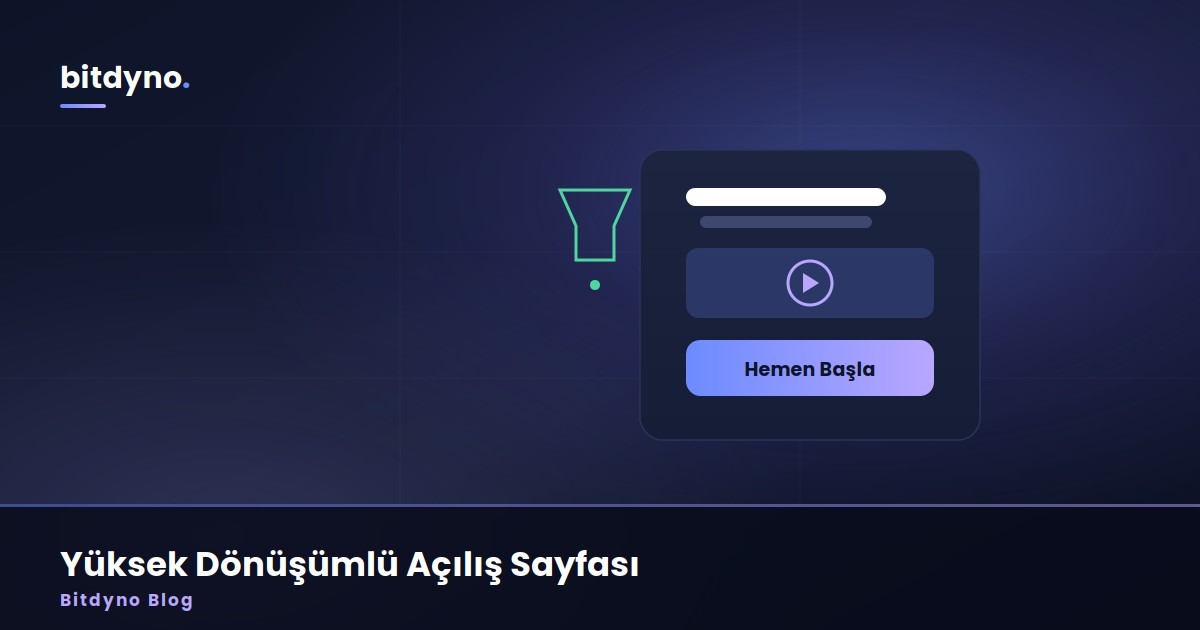
Ads buy attention. Landing pages decide whether attention becomes money.
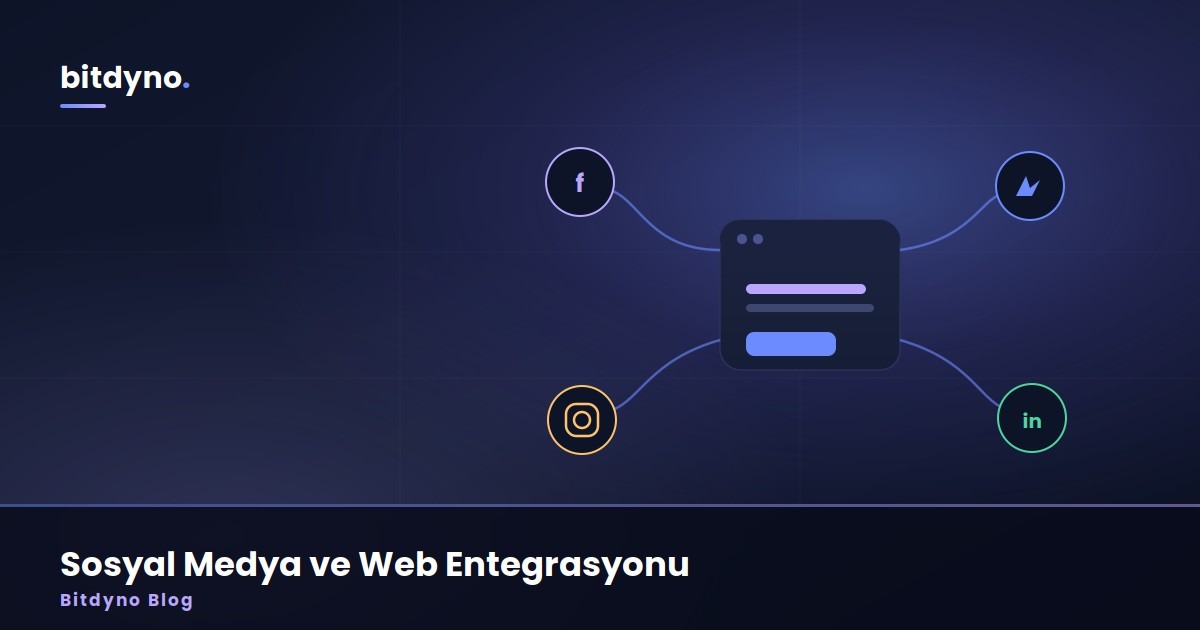
Followers are attention. A website turns attention into action — if the bridge between them is intentional.
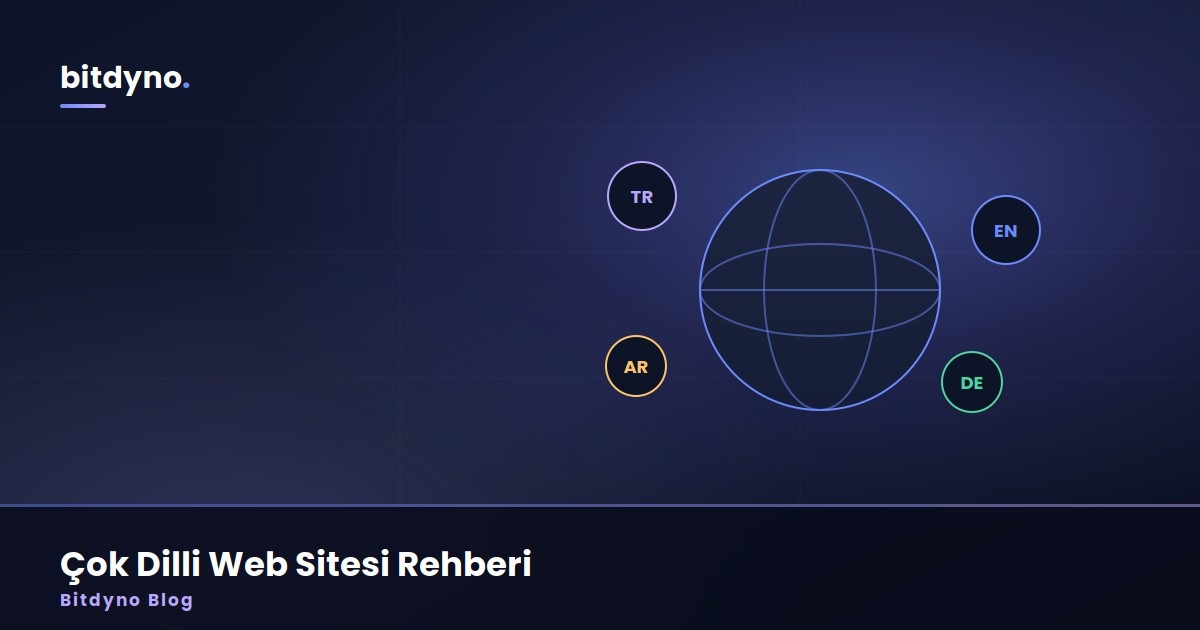
A language dropdown is not a market entry strategy. Structure, translation quality, and SEO signals decide whether you rank abroad.
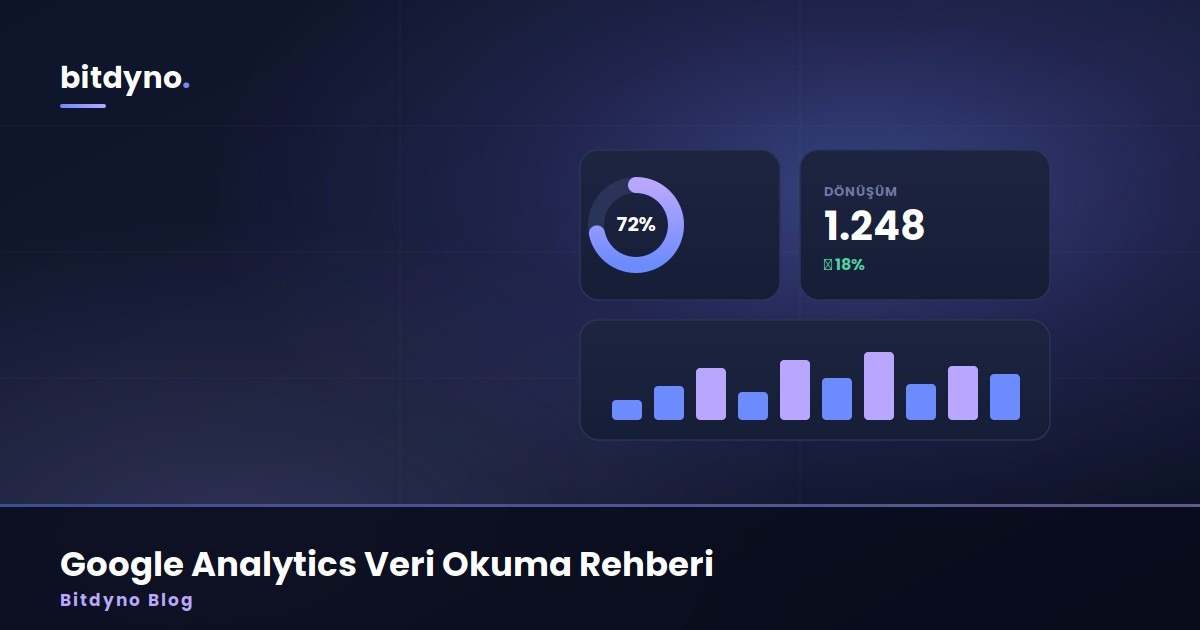
More visitors is not a strategy. Useful analytics connects numbers to revenue and next actions.
If visitors must guess the next step, most will leave. A strong CTA makes the action obvious.
Clicks without attribution are just an expense. Ads become an investment only when you can see which lira creates which customer.
Publishing for the sake of publishing fills an archive, not a pipeline. Strategy starts with audience questions and search intent.
Search Console is your site’s report card in Google. Used well, it shows what to fix and where growth is hiding.
A redesign can look beautiful and still cut your traffic in half — if you break the URLs Google already trusts. Here …
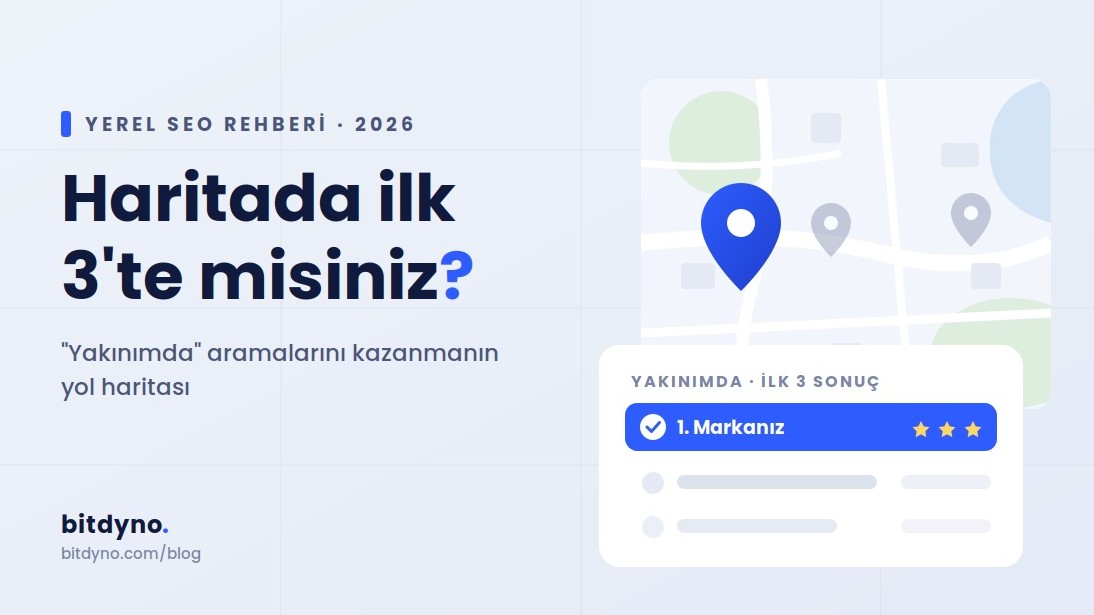
Dükkanınız Caddede Ama Haritada Yoksunuz: Google'da "Yakınımda" Aramalarını Kazanma Rehberi
Müşteriniz Artık Google'a Değil ChatGPT'ye Soruyor: Peki O Sizi Tanıyor mu?
Semantic HTML usage, fast page loading, mobile compatibility, correct heading hierarchy (H1-H6), schema markup, and accessibility standards form the foundations of SEO-friendly design.
Large images slow page speed, an irregular heading structure disrupts content hierarchy, and JavaScript-only rendering makes crawling difficult. All these factors directly affect rankings.
Core Web Vitals consist of LCP (loading speed), FID (interaction delay) and CLS (visual stability) metrics. Google uses these metrics as ranking factors.