
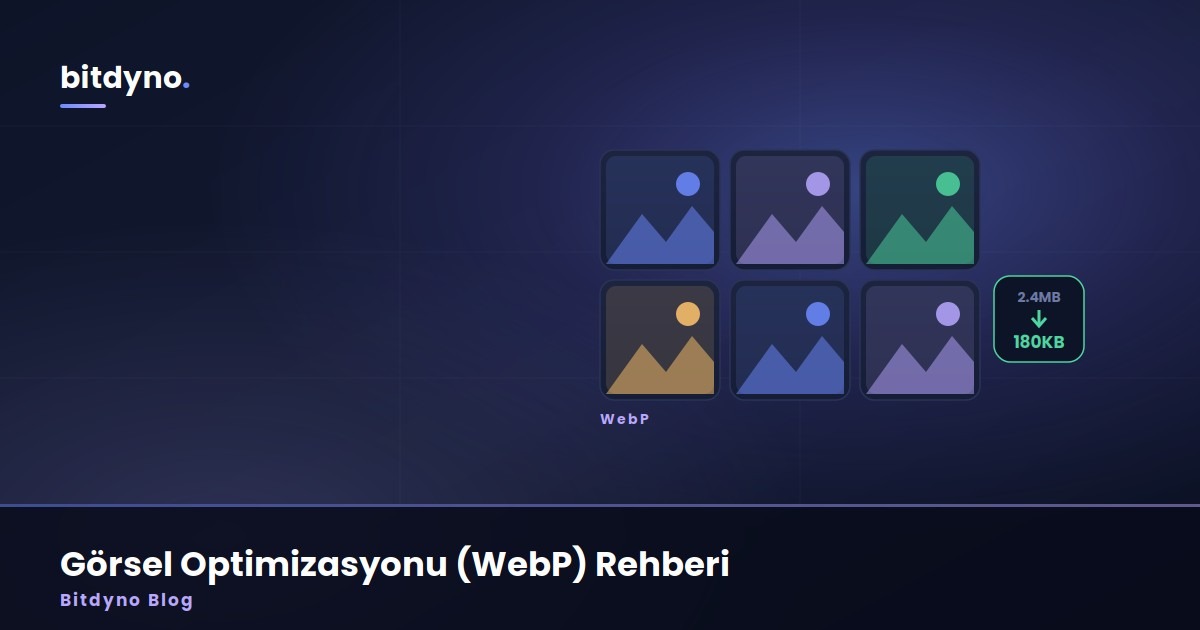
Your Heaviest Weight Is Your Photos: Image Optimization Guide
Oversized hero images silently destroy mobile speed — and paid traffic feels it first.

Articles on web technologies, frameworks and modern development practices.
Oversized hero images silently destroy mobile speed — and paid traffic feels it first.
Social reach is rented. An email list is an asset you can revisit — when you treat it with respect and value.
A language dropdown is not a market entry strategy. Structure, translation quality, and SEO signals decide whether you rank abroad.
The cheapest plan often bills you later in downtime, sluggish pages, and emergency migrations.
The “best” stack is the one that fits your process, growth, and maintenance reality — not the trendiest logo.
That browser warning is not a technical detail — it is a trust break at the front door of your business.
A website is not a building you finish once — it is a vehicle that needs service. Skip maintenance and it usually …
Cart abandonment is silent bleeding in ecommerce. Most drop-offs have fixable causes — surprise fees, forced accounts, friction, and weak trust.
A redesign can look beautiful and still cut your traffic in half — if you break the URLs Google already trusts. Here …
Just because a competitor has an app, do you need one too? A plain-language comparison of responsive sites, PWAs, and native apps …
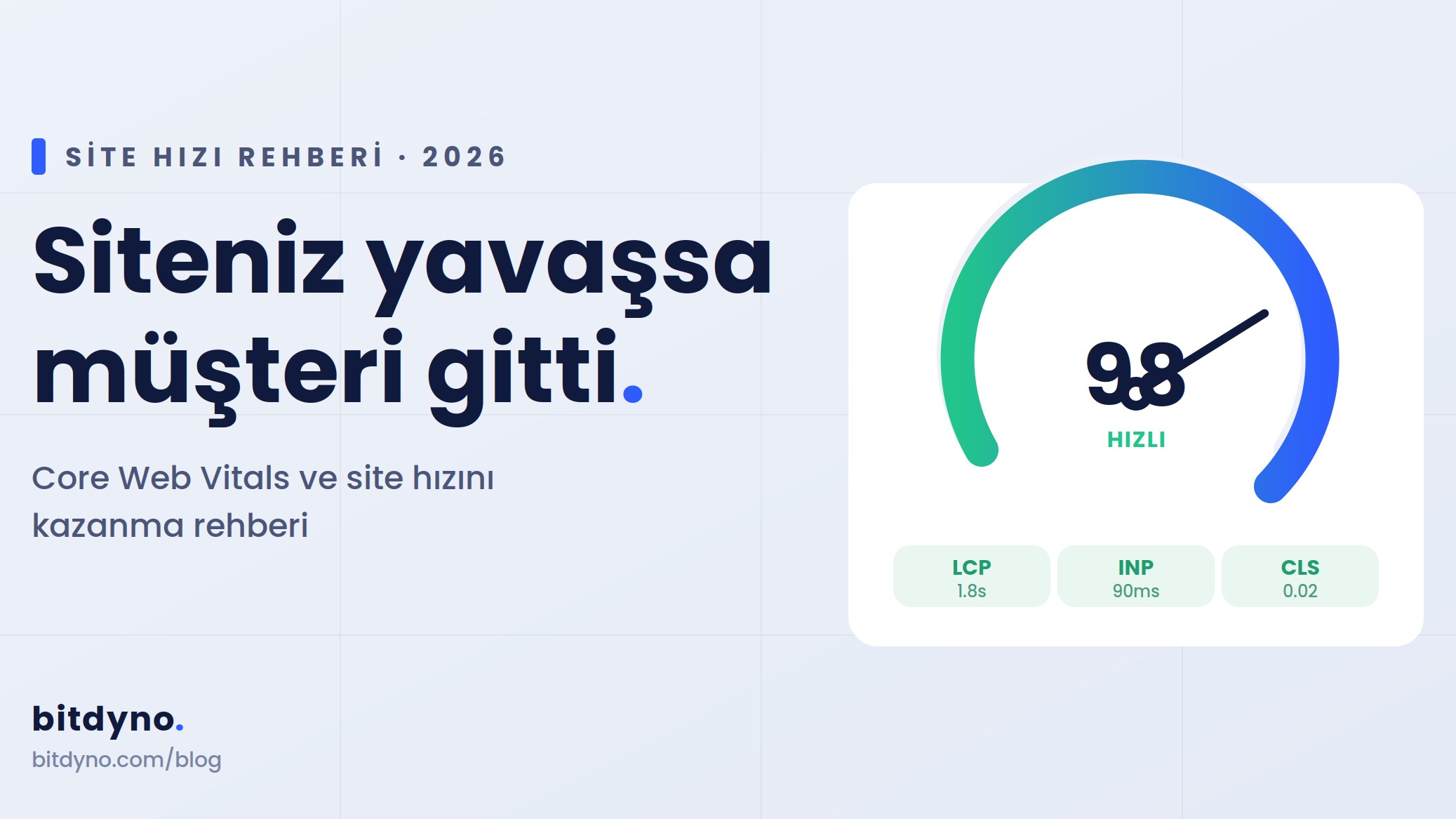
Siteniz 3 Saniyede Açılmıyorsa Müşteri Zaten Gitti: Core Web Vitals ve Hız Rehberi
Although the website development process may initially seem like a simple need for many businesses, when it comes to the decision-making stage, …
On the frontend, React, Vue.js and Next.js stand out; on the backend, Django, Node.js and Laravel are prominent. As of 2026, full-stack TypeScript and AI-powered development tools are becoming more widespread.
Start by learning the basics of HTML, CSS and JavaScript. Then you can transition to a frontend framework like React and a backend technology like Django or Node.js. Building practical projects is the fastest learning method.
Frontend covers the interface the user sees and interacts with (HTML, CSS, JS). Backend includes server-side logic, database operations, and APIs. A full-stack developer works in both.